
Kalahandi, located in southwestern Odisha, is one of the state's most scenic and culturally rich districts. Known for its waterfalls, forests, wildlife sanctuaries, ancient temples, tribal heritage, and picturesque hills, Kalahandi offers a perfect blend of nature, spirituality, and adventure. The district headquarters is Bhawanipatna, which serves as the gateway to most tourist attractions.
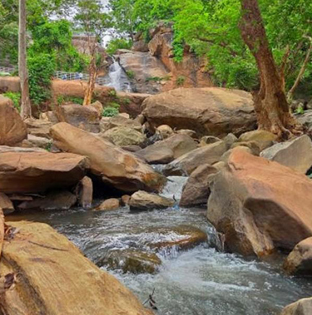
Kalahandi is known for waterfalls, wildlife sanctuaries, ancient forts, temples, caves, hills, and tribal heritage. The district offers some of the most beautiful eco-tourism destinations in western Odisha.


Have questions you want answers to?
Kalahandi is a district in southwestern Odisha, with its headquarters at Bhawanipatna. It is known for its natural beauty, waterfalls, forests, temples, and tribal culture.
Kalahandi is famous for Maa Manikeswari Temple, Karlapat Wildlife Sanctuary, Ampani Hills, Phurlijharan Waterfall, Gudahandi Caves, Niyamgiri Hills, and its rich tribal heritage.
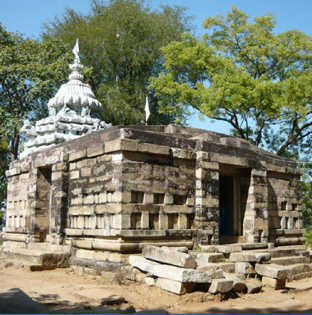
Major attractions include Bhawanipatna, Ampani, Karlapat Wildlife Sanctuary, Phurlijharan Waterfall, Belkhandi Temple Complex, Gudahandi Caves, Asurgarh Fort, Junagarh, and Thuamul Rampur.
The best time to visit Kalahandi is from October to March when the weather is pleasant and ideal for sightseeing and outdoor activities.
Kalahandi can be reached by road, rail, and air. Bhawanipatna, Kesinga, and Junagarh Road are major railway stations. The nearest airports are Bhubaneswar, Raipur, and Visakhapatnam.
Karlapat Wildlife Sanctuary is one of Odisha's important wildlife habitats, featuring dense forests, waterfalls, and diverse flora and fauna.
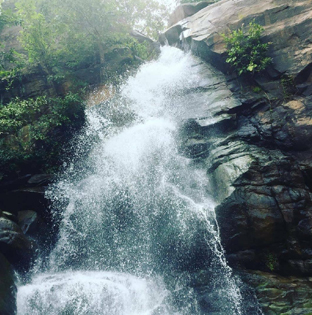
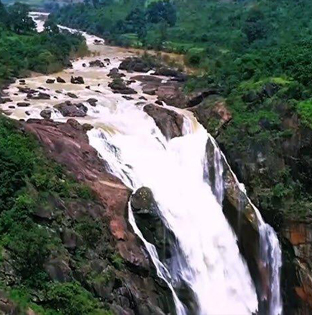
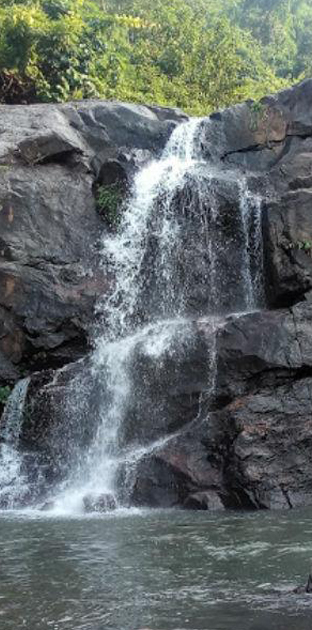
Phurlijharan is a perennial waterfall located within the Karlapat forest area. Its scenic surroundings and year-round water flow make it a popular picnic destination.
Gudahandi Caves are famous for prehistoric rock paintings and archaeological significance, attracting history enthusiasts and researchers.
Yes. Ampani Hills, Niyamgiri Hills, Ambapani Wildlife Sanctuary, and Karlapat forests offer excellent trekking and nature trails.
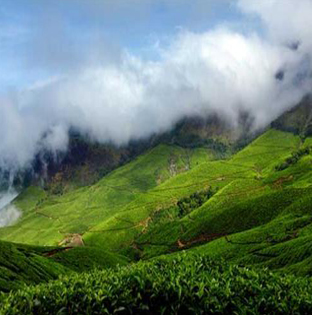
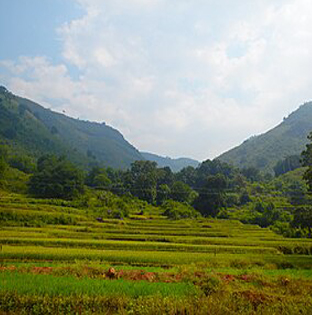
Ampani Hills is known for its panoramic views, pleasant climate, lush forests, and nearby wildlife attractions.
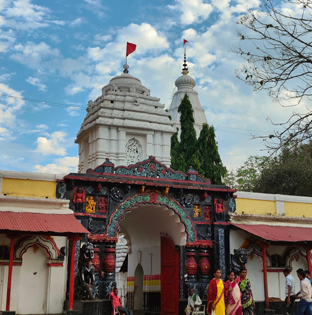
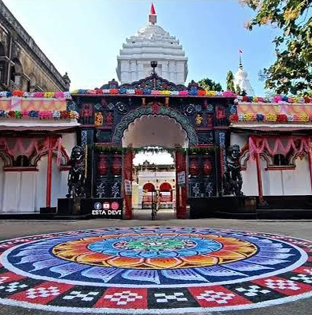
Maa Manikeswari Temple in Bhawanipatna is the presiding deity temple of Kalahandi and one of the most important religious sites in western Odisha.
Yes. Kalahandi offers eco-tourism experiences through its wildlife sanctuaries, waterfalls, forests, reservoirs, and tribal villages.
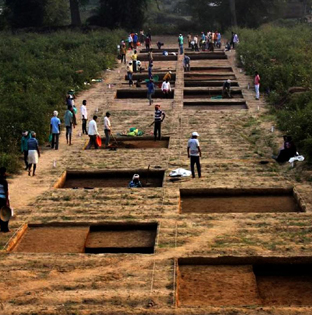
Asurgarh is an ancient archaeological fort site believed to be one of the earliest urban settlements in Odisha.
Tourists can enjoy sightseeing, trekking, wildlife watching, nature photography, picnicking, birdwatching, cultural exploration, and temple visits.
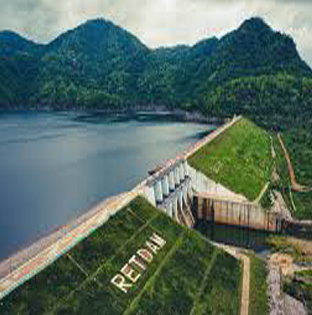
Yes. Phurlijharan Waterfall, Rabandhara Waterfall, Ret Dam, Dokrichanchara Waterfall, and Ashasagar are popular picnic destinations.
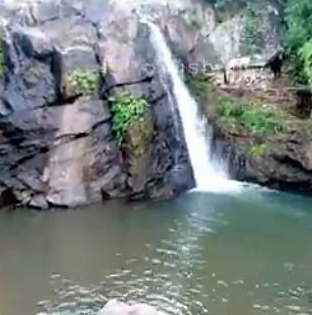
Rabandhara Waterfall is known for its peaceful environment, forest surroundings, and monsoon beauty.
Yes. Areas such as Thuamul Rampur, Niyamgiri, and Lanjigarh provide opportunities to learn about the traditions and lifestyle of local tribal communities.
Yes. Areas such as Thuamul Rampur, Niyamgiri, and Lanjigarh provide opportunities to learn about the traditions and lifestyle of local tribal communities.
Yes. Kalahandi is generally safe for tourists. Visitors should follow local guidelines and take normal travel precautions, especially when visiting forests and remote areas.
A 3–5 day trip is ideal to cover major attractions such as Bhawanipatna, Maa Manikeswari Temple, Karlapat Wildlife Sanctuary, Phurlijharan Waterfall, Ampani Hills, Gudahandi Caves, and Belkhandi Temple Complex.